-
Start With Your Actual Problem
-
Scenario A: Overheating or Visible Coolant Loss—Replace the Radiator
-
Scenario B: Oil Temps High Under Load—Consider a Koyo Oil Cooler
- Scenario C: You're Doing Routine Maintenance—Coolant, Air Filter, and Why an Alternator May Show Up
-
How to Tell Which Scenario You're In
If you typed koyo cooling radiator or koyo oil cooler into a search engine, you're probably not looking for a product name. You're looking for a fix. The right fix depends on whether your engine is overheating, your oil temp is climbing under load, or you're just doing basic maintenance. There isn't one universal answer, so let's sort it out before you spend money.
I'm a quality and compliance manager in automotive components. I review radiators, oil coolers, and the stamped brackets that hold them together—about 200 unique part numbers a year (give or take, depending on how you count bracket variants). In 2024, I rejected about 12% of first-run samples because of finish, weld, or fit issues. That experience shaped how I look at parts: I care less about the price tag and more about what happens after installation.
Per FTC guidelines, I won't claim a part will fix every overheating engine. Claims like that need substantiation. What I can do is show you how to pick based on your situation.
Start With Your Actual Problem
There are three common situations:
- Coolant leak, visible damage to the radiator, or coolant temperature creeping into the red. That's a radiator replacement situation.
- Normal coolant temperature but high oil temperature when towing, on a track, or in heavy traffic. That's an oil cooler situation.
- No major symptoms—you're just replacing radiator fluid, swapping an air filter, or chasing a strange electrical issue. That's a preventive maintenance situation.
Once you know the situation, the part choice gets much easier.
Scenario A: Overheating or Visible Coolant Loss—Replace the Radiator
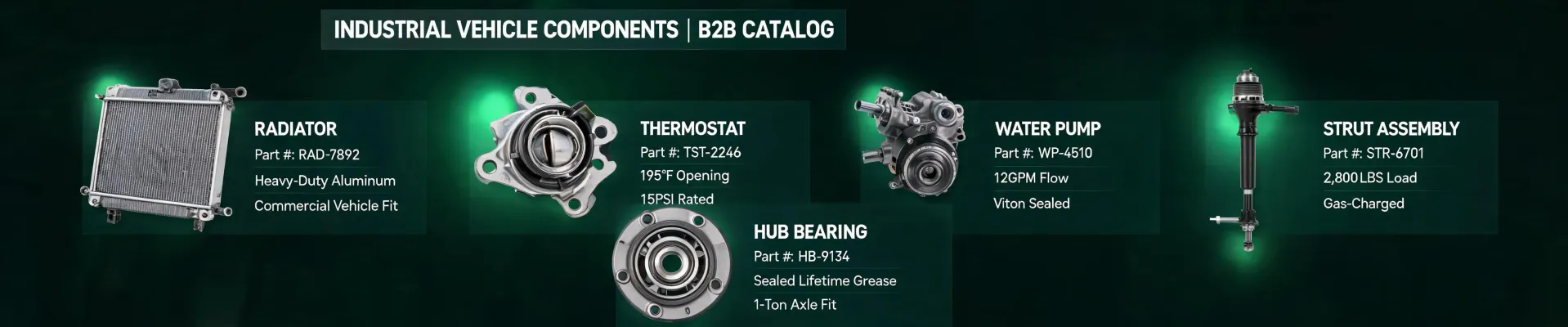
If coolant is pooling under the car, the plastic tank is cracked, or the core is clogged and failing, a new koyo cooling radiator is a realistic choice. But before you click buy, check fitment carefully. A radiator listed for the same car can still have the wrong inlet and outlet position for your engine variant. One millimeter of offset can turn a two-hour job into a weekend project.
Look at the core construction too. A brazed aluminum core with consistent fin pitch handles vibration better than a cheap core with thin walls. This gets into metal forming details, but the short version is: identical-looking radiators are not identical. I've seen warranty returns where the mounting tab cracked because the metal was too thin at the bend radius.
Most buyers focus on the radiator price and miss the rest of the total: new hoses, clamp replacements, coolant, labor, and the risk of doing the job twice. Those extras can add 30–50% to the project cost. A verified radiator that fits the first time is almost always cheaper than a bargain unit that needs adapters and a second attempt.
I only learned to check mounting tab thickness after skipping it once and approving a batch that failed vibration testing later. That mistake became a $22,000 redo and a delayed customer order. So I do not recommend treating radiator replacement as a place to save twenty dollars.
That said, a radiator won't fix a blown head gasket or a stuck thermostat. This gets into engine diagnostics, which isn't my expertise. If the car still overheats after a proper radiator installation, have a mechanic confirm the rest of the cooling system before you buy anything else.
Scenario B: Oil Temps High Under Load—Consider a Koyo Oil Cooler
If the coolant gauge stays in the middle but your oil temperature climbs on a long hill, with a trailer, or during a track session, a koyo oil cooler may be the right solution. It's not the right solution for every car.
It's tempting to think more oil cooling is always safer. It's not. An oversized cooler can keep oil too cold around town, which causes condensation and sludge. You want oil at operating temperature, not as cold as possible. So the first step is to confirm your actual oil temperature with a gauge, not a guess.
When I inspect an oil cooler, I check the O-ring material, the brazing around the ports, fin density, and whether the mounting bracket has enough support. A cheap kit with a weak bracket and poor O-rings can leak, and an oil leak can kill your engine quickly. A quality cooler is insurance, not an upgrade to show off.
Install it with enough space for air to move through the core. If you're not sure about flow direction, ask before mounting. Trust me on this one: data beats a 'feels better' impression.
And yes, a Koyo oil cooler is a legitimate option when you actually need one. But if you're driving around town and never see high oil temperatures, you probably don't—no matter how much you want the engine bay to look serious.
Scenario C: You're Doing Routine Maintenance—Coolant, Air Filter, and Why an Alternator May Show Up
Maybe you don't need a radiator or oil cooler at all. Maybe you landed here because you searched radiator fluid, or because you asked the internet which way does the air filter go. Both are maintenance questions, and small mistakes can cause real problems.
Radiator Fluid: Use the Spec, Not the Color
Radiator fluid is coolant, and coolant is not a universal product. Use the type specified in your owner's manual. The wrong fluid can gel, corrode seals, and create the exact leak you wanted to avoid. Check the fluid level when the engine is cold, and look for brown, gritty, or separated fluid. If you're due for a flush, do that before you start replacing parts.
Which Way Does the Air Filter Go?
If the filter frame has an arrow, point the arrow toward the engine intake—basically, the direction of air flow into the throttle body. If there's no arrow, the dirtier side faces the air intake duct and the cleaner side faces the engine. Installing it backward lets unfiltered air sneak around the edge of the media, and that defeats the whole point of the filter.
2011 Toyota Corolla Alternator Searches
If you got here while looking for a 2011 toyota corolla alternator, pump the brakes. An alternator is not a cooling part. A failing alternator can cause flickering lights, a slow crank, or a dead battery—and no radiator in the world will fix that. But if the alternator failed after being soaked in oil or coolant from a leak, fix the source first. Otherwise a new alternator can fail the same way.
How to Tell Which Scenario You're In
Use the behavior of the car, not the part name, as your guide. If the coolant level drops or the temperature gauge is in the red, start with the cooling system. If engine temperature is normal but oil temperature climbs only under load, think about an oil cooler. If there are no obvious symptoms and you're doing routine upkeep, stick with fluid, filters, and electrical checks.
For 2011 toyota corolla alternator owners specifically: verify the battery voltage before replacing the alternator. A weak battery can mimic alternator failure, and a bad connection can imitate a dead alternator. This is not my area of expertise, so I'd recommend a shop with the right test equipment.
The pattern is simple. A radiator solves a coolant problem. An oil cooler solves an oil temperature problem. Alternator parts solve an electrical problem. Air filters solve an air flow problem. The more precisely you define the problem, the less money you'll waste.
From a quality perspective, that's what I care about: matching the right part to the real issue. The cheapest option is only cheap until it fails in the wrong place at the wrong time. A koyo cooling radiator or koyo oil cooler that fits and meets the spec is a better investment than a no-name part with a slightly smaller price tag. And when you're doing simple maintenance, taking twenty extra minutes to confirm coolant type and air filter direction is the cheapest reliability upgrade there is.

Elise Novak
Elise Novak is an automotive braking systems analyst specializing in brake pads, discs, rotors, calipers, shoes, drums, hoses, and complete brake kits. She uses UN Regulation 90 requirements and ISO 26867 dynamometer methods to examine friction stability, fade and recovery, wear, disc thickness variation, runout, and hydraulic integrity. Her work helps distributors, quality teams, and fleet buyers compare replacement parts, verify application suitability, and define incoming-inspection criteria.